
THE DESIGN ARCHITECTS LAUNCH FORMULA
CINEMATIC PRODUCTION
Are we standing at the edge of a creative exponential shift more significant than anything in the history of mankind in design filmmaking?
Over the past year, artificial intelligence has quietly evolved into a powerful suite of tools, enabling architects, designers, and creatives to produce cinematic-quality visual narratives. What once demanded large studios, film crews, and substantial budgets is now accessible to individual professionals working independently from their desktops.
In this short video, I share the exact workflow I use to create cinematic architectural films from concept to final cut. It’s simple to learn, easy to implement, and built on AI tools that are immediately accessible and cost under $50.
Once you see how seamlessly these tools work together, you’ll realize how compelling visual stories can be used in your firm or studio to leverage client interest
What professional Architects are saying about the Render Studio

Robert Krone
Architect USA
I think it’s incredibly exciting. I’ve completed two of your concept design architect courses, which completely transformed how I design and present to clients—and this feels like a major leap forward.

Graham Irwin
Architect - USA
It’s inspiring and accessible—your approach demystifies AI, removes the fear, and brings humanity back into the process through layered imperfections that only a human, not a computer, can create.

Louis Keene
Architect - Canada
It's extremely rewarding—and a truly useful technique. I’ve done a lot of illustration, but even with just 20 minutes to pull something together, I was thrilled. I looked at my own AI renders and couldn’t believe how good they were, from a humble perspective.
Ideal Participants:
What software will I need
AI Tools & Skills Needed:
Do I need to be talented?
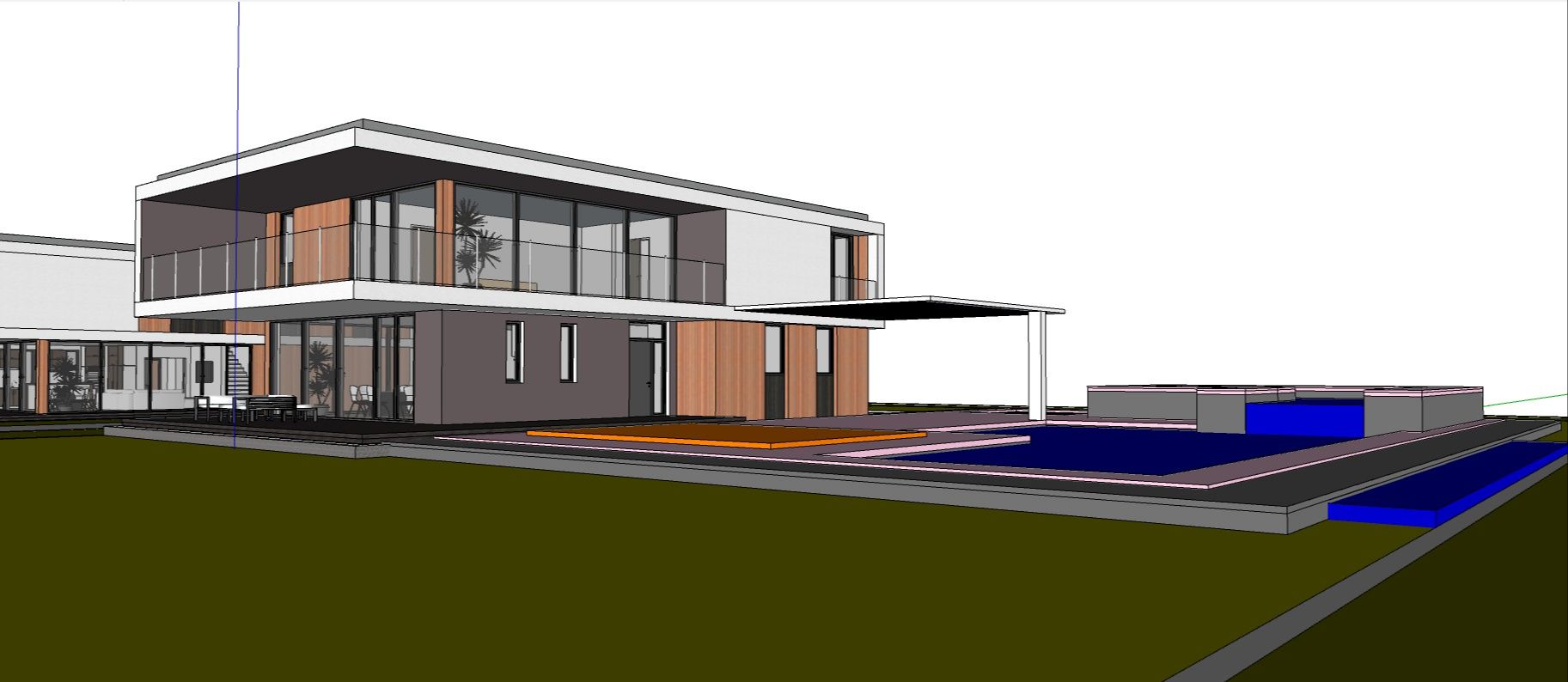
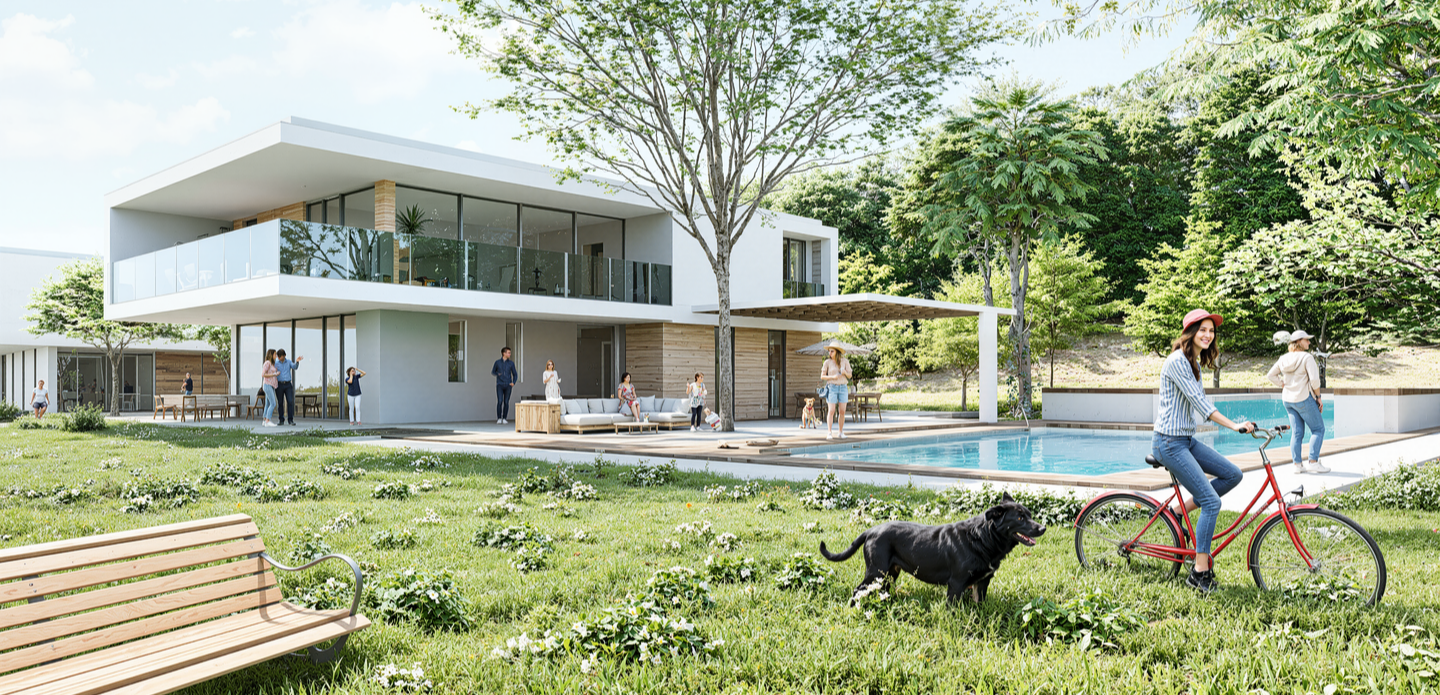
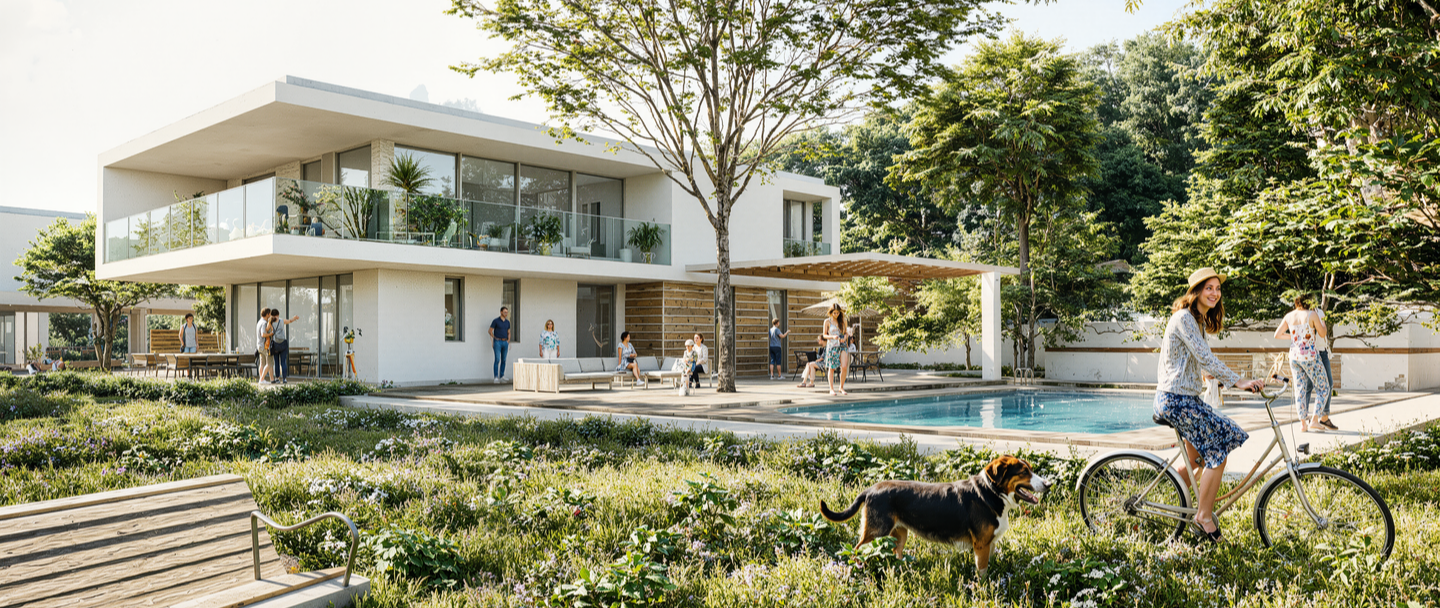
Maintaining the Integrity of a 3D Model with AI & Imagine
Finding the Balance Between Creativity and Control
One of the biggest challenges in working with generative AI today is finding the right balance between creative freedom and maintaining control over the design process. While AI has no difficulty producing stunning, mind-blowing renders, the real value lies in whether those visuals align with actual design intent and buildable plans.
Right now, control is the most valuable commodity in the AI design world. Without it, even the most impressive imagery may fall short of what's needed for practical execution. The key is not just to create beautiful images, but to ensure those images are grounded in architectural logic, material feasibility, and spatial coherence.
In this training, we’ll explore the tools and workflows that allow you to maintain design integrity while using AI. Some newer software platforms are already proving to be far more effective at preserving structure, scale, and feasibility—and these are the tools we’ll focus on. Combined with Photoshop, they allow us to pull everything together, refine results, and reiterate design changes effectively.
This process enables you to stay creatively inspired while remaining technically grounded—something every forward-thinking architect needs in order to confidently integrate AI into their workflow.


Generative AI and the Original Ideation
Generative AI is an incredibly powerful tool for creating original and refined imagery. When unleashed with the right prompts and techniques, AI can produce inspiring ideas that fuel creativity for both the architect and the client. In this training, we will explore how to move from an initial idea to a refined, original concept, incorporating material typologies, landscape, and architectural styles into the mix.
Exploring Originality and Intellectual Property
The images you see below were created using MidJourney, a cutting-edge generative AI tool. In the training, we will show you how to harness AI to generate original concepts—from initial ideas to fully developed designs. Having original concepts from the start is a game changer: not only are the images unique, but the intellectual property belongs to the architect. This means you can create and claim one-of-a-kind designs that are entirely your own, adding significant value to your work.


Varying Visual Design Styles Using AI
AI tools have opened a new dimension in exploring and experimenting with visual design styles, making it easier for designers to push creative boundaries and adapt to diverse project requirements.

00
DAYS
00
HOURS
00
MINS
00
SECS
