⦿ For Design Architect & Building Designers
How Smart Architects Are Using AI to Win More Projects
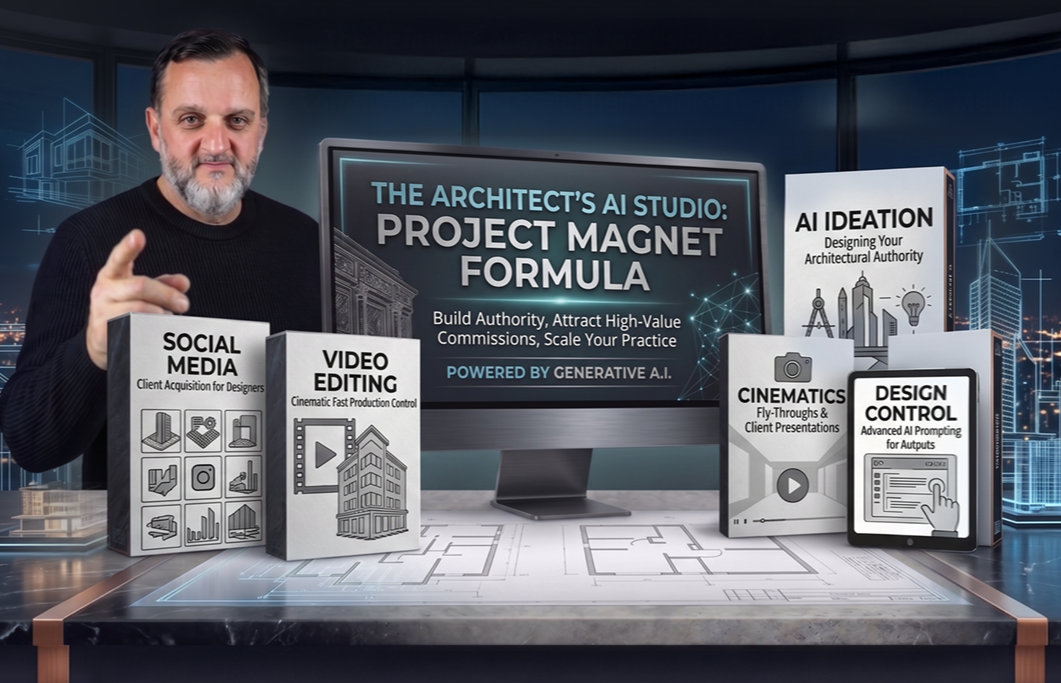
For years, creating compelling design content and visuals fast felt impossible.
If you're a design architect like me, you've paid your dues. Late nights in the studio. Brutal critiques. Years grinding through university and real-world experience, building skills that most people will never understand. And then you hit the wall.
Not a creative wall. A technology wall. Complex software that demanded a computer science degree to operate. Render farms that cost a fortune. Presentation tools that took longer to learn than the actual design process itself. The problem was never imagination or design intent. It was everything standing between your ideas and the screen.
Now, that wall has been erased. It no longer stands in the way. What stands in the way now is workflow.
AI has quietly levelled a playing field that was technically rigged against individual designers for decades. But what I've discovered is this: when you wield the right workflow, choose the right language models, and connect the pieces of AI together in the right way, the possibilities become explosive — not just average push-button AI images, but an array of outputs that are genuinely mind-blowing for clients to see, from concept all the way through to cinematic production.
You can now produce rich, original visuals and studio-quality cinematic presentations directly, without touching a single piece of complex 3D software. No steep learning curves. No expensive subscriptions bleeding your account dry. Just design thinking, brought to life.
For the first time, designers with deep insight into architectural planning and design can also experience technical enlightenment, pairing AI with design excellence to attract new projects and share their work across their circles, both online and offline.
This is where AI changes everything: it lets us think and create without the barrier of technology getting in the way. The major issue now isn't capability, it's workflow. Most designers don't yet realize that as powerful as AI is, the tool alone isn't what wins the project. The mind and workflow of the designer is.
There are two modes, and knowing when to use each one is the skill nobody is teaching.
Controlled design generation is where you direct AI with precision specific materials, defined forms, architectural logic. Your design expertise steers the output. The result is portfolio-ready work that is genuinely and ethically yours. And can be used in the design process up until construction.
Creative hallucination is where you let AI roam and it produces the unexpected, the dramatic, the visually arresting. Work that stops people mid-scroll. It doesn't need to be buildable. It needs to be shareable, and conceptually compelling .
Scott S. Design Architect, California implemented just one piece of this approach and won two projects worth $250,000 annually. Not through cold calls or ads. By showing his menu of architectural work to clients that already are familiar with him.
That's the system you're about to learn.
You Will Learn these Exact Processes
In 5 sessions , you'll discover how to:
✅ Create Persuasive Perspectives at a Maestros Level to Win Clients
✅ Learn which Language Models are the best to use for a visualization workflow
✅ Creative AI & ideation for preconceptual & conceptual explorations.
✅ Learn how to control AI design with software's like Revit, Sketchup & D5 render
✅ Several Business strategies to revitalize old buildings, upgrade, old portfolios.
✅ Hyper realistic Cinematic Video AI production Create To Blow Clients Away .
✅ Learn to integrate Avatars & Introduce Emotion into your design.
✅ Video Editing & Studio Quality Music Production For Architectural Proposals using Video.
✅ Strategic Marketing Strategies for online media positioning you as the expert online and offline.
You are getting the exact systems professional architects in my inner circle are using to stay on top of the AI Curve and turn skills & strategy into a magnetic formula to attract work.

What Software Do I need to do this Training?
Do I need to be an architect or designer?
How much time do I need to invest in myself?
Do I need to be part of your community?
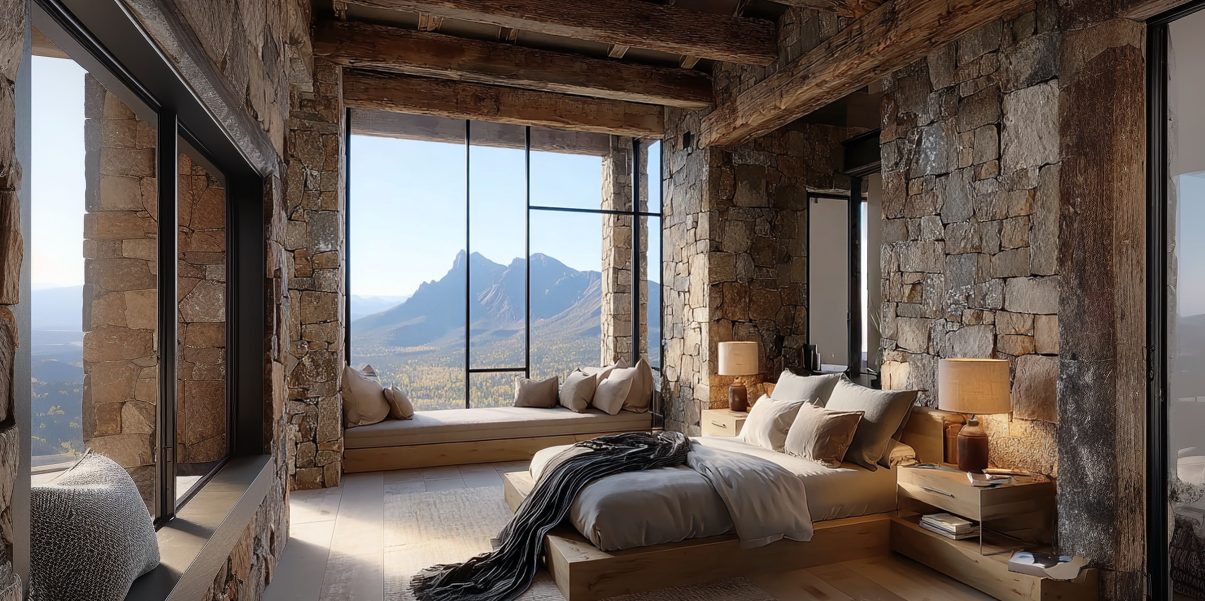
Creating Interior Conceptual Design Content with A.I.
Creating interior AI content opens up an entirely new way of exploring space, atmosphere, and materiality. Instead of being limited by time-consuming renders or physical mood boards, you can generate multiple spatial experiences within minutes. AI allows you to experiment with lighting, textures, color palettes, furniture arrangements, and spatial moods quickly, helping you refine your interior vision before committing to detailed modeling.

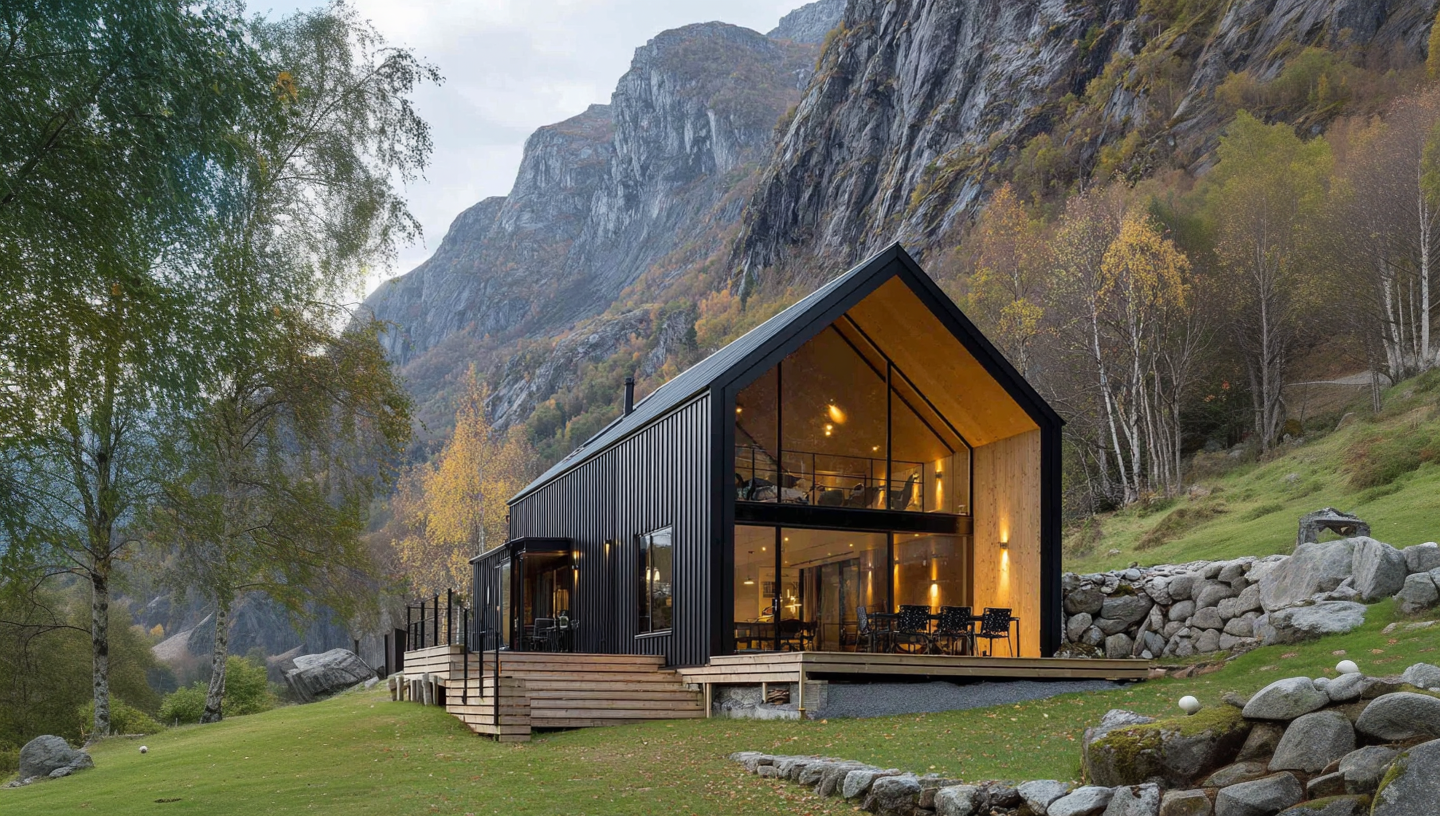
Creating Architectural Exteriors with A.I.
When creating architectural content using AI, the focus shifts from drafting to directing. You’re no longer just drawing, you’re crafting precise prompts that guide the system toward your design intent. By describing form, scale, context, materials, and lighting clearly, you can generate compelling conceptual visuals that communicate big ideas early in the design process. It becomes a powerful tool for storytelling and client presentations.
Design Ideation - with A.I.
AI also accelerates the ideation phase dramatically. You can test façade treatments, massing variations, environmental contexts, and urban integrations without rebuilding models from scratch. This rapid iteration strengthens your design thinking because you can compare multiple directions side by side and choose what aligns best with your vision.
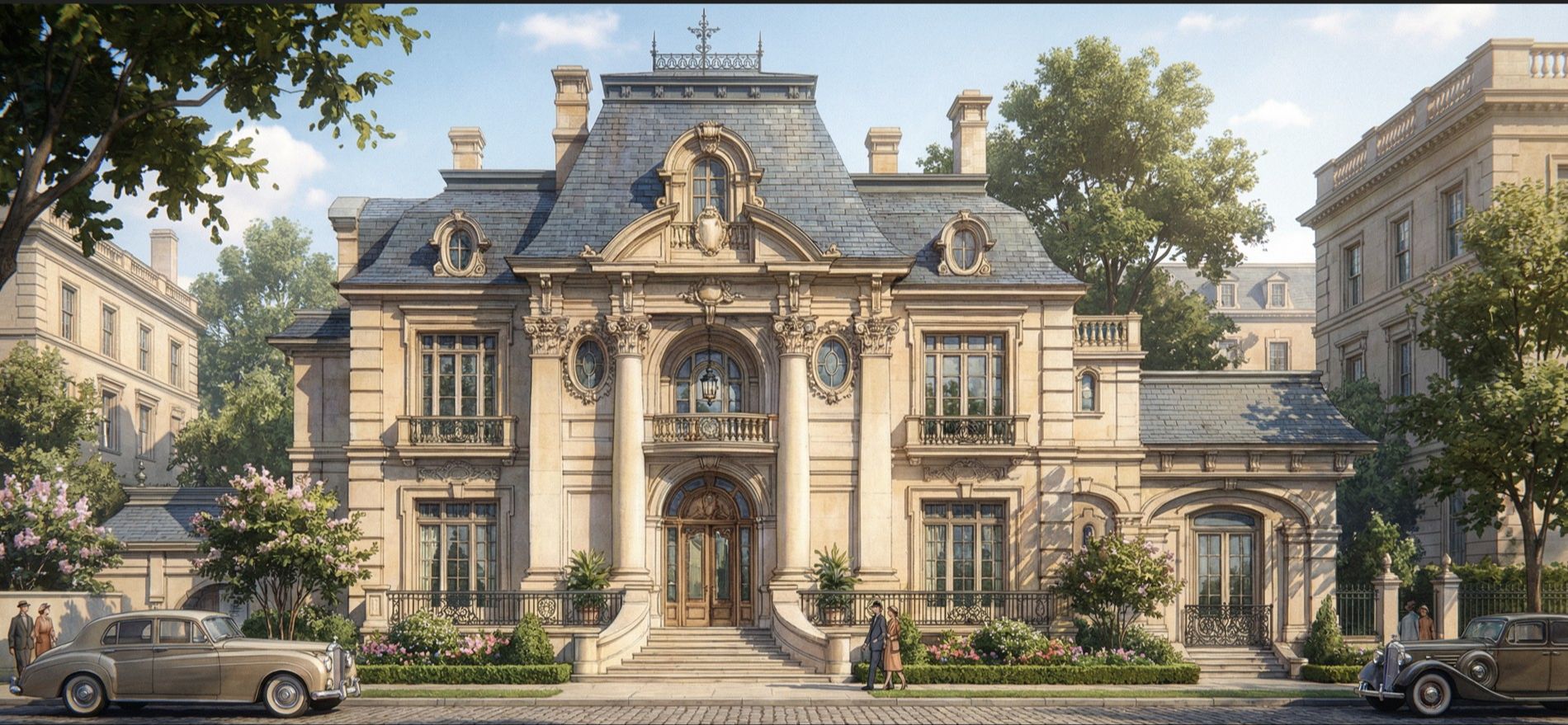
Exploring Styles with A.I.
One of the most exciting aspects is the ability to explore different architectural and interior styles effortlessly. Whether you want to test minimalist, brutalist, biophilic, Scandinavian, industrial, or futuristic aesthetics, AI allows you to pivot instantly. This flexibility encourages creative risk-taking and helps designers expand beyond their habitual style preferences.


Refurbing Your Portfolio from Old to New
Ultimately, creating AI-driven interior and architectural content is not about replacing design skill it’s about amplifying it. Your eye, your taste, your spatial understanding, and your experience are still the foundation. AI simply accelerates your ability to express those ideas. It gives you speed, range, and visual depth while you remain firmly in control of the direction.

Genuine Original Content in Minutes
More importantly, when you guide the prompts intentionally, you’re not producing generic images , you’re creating original content shaped by your thinking. The compositions, the material choices, the atmosphere, the narrative , all of it reflects your design intelligence. The tool executes, but you curate.
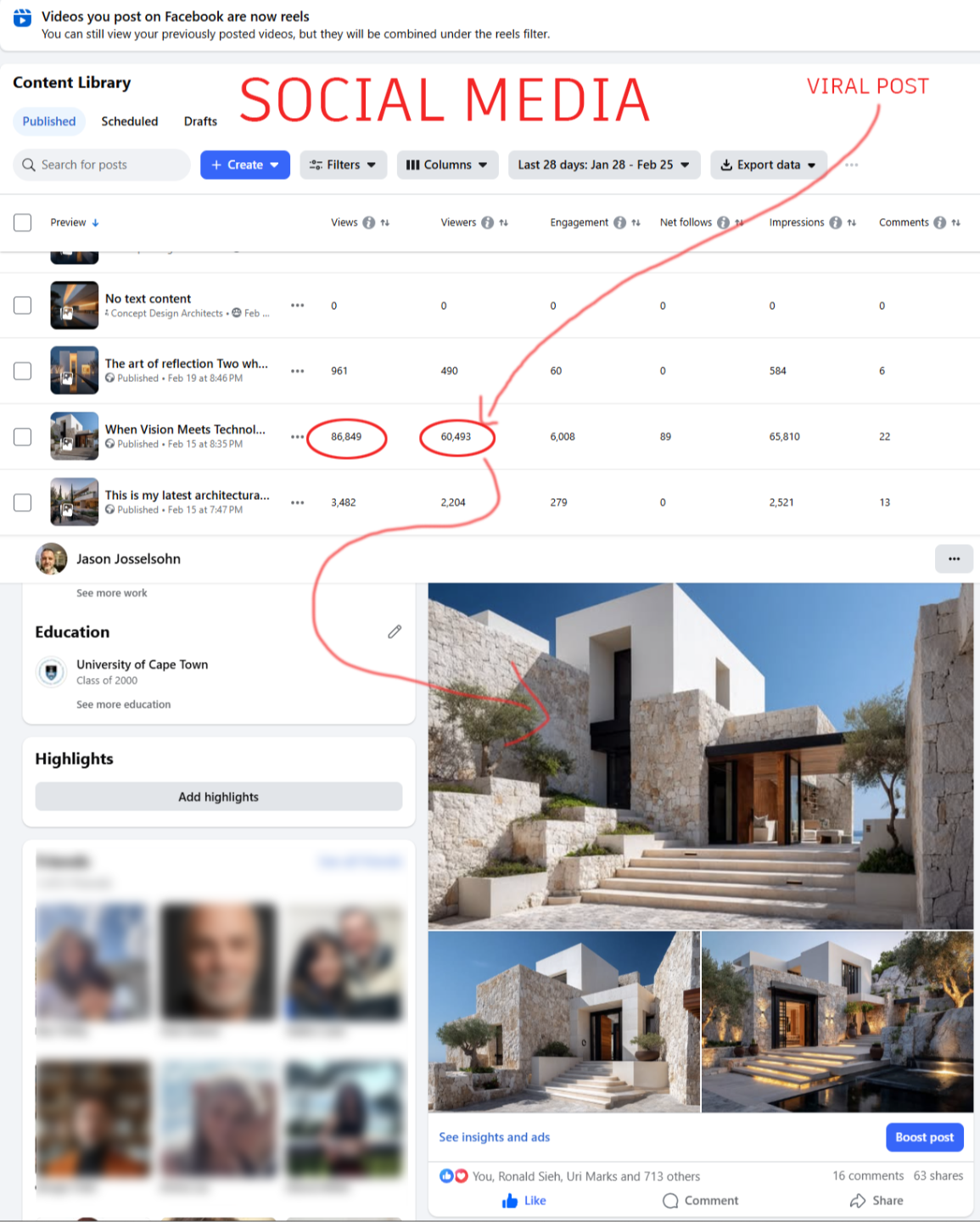
Using Social Media - Influencing People
When I combine my design visualizations with a powerful message, explaining why I chose a certain material, why the light works, why the form matters, people begin to associate me with expertise, not just aesthetics.
Over time, this positions me strategically. Instead of being "another architect posting projects," I become the designer known for insight, experimentation, and creative leadership. Visibility builds familiarity. Familiarity builds trust. Trust builds opportunity.
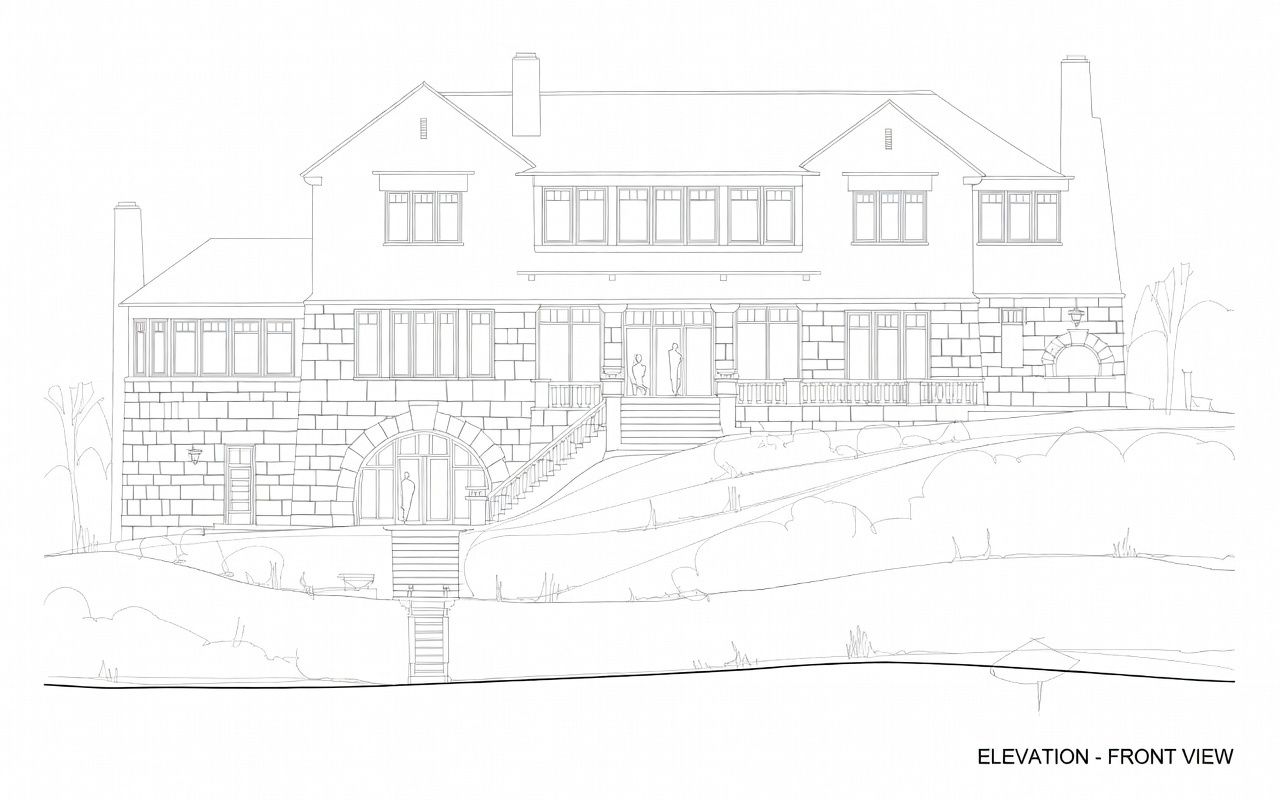
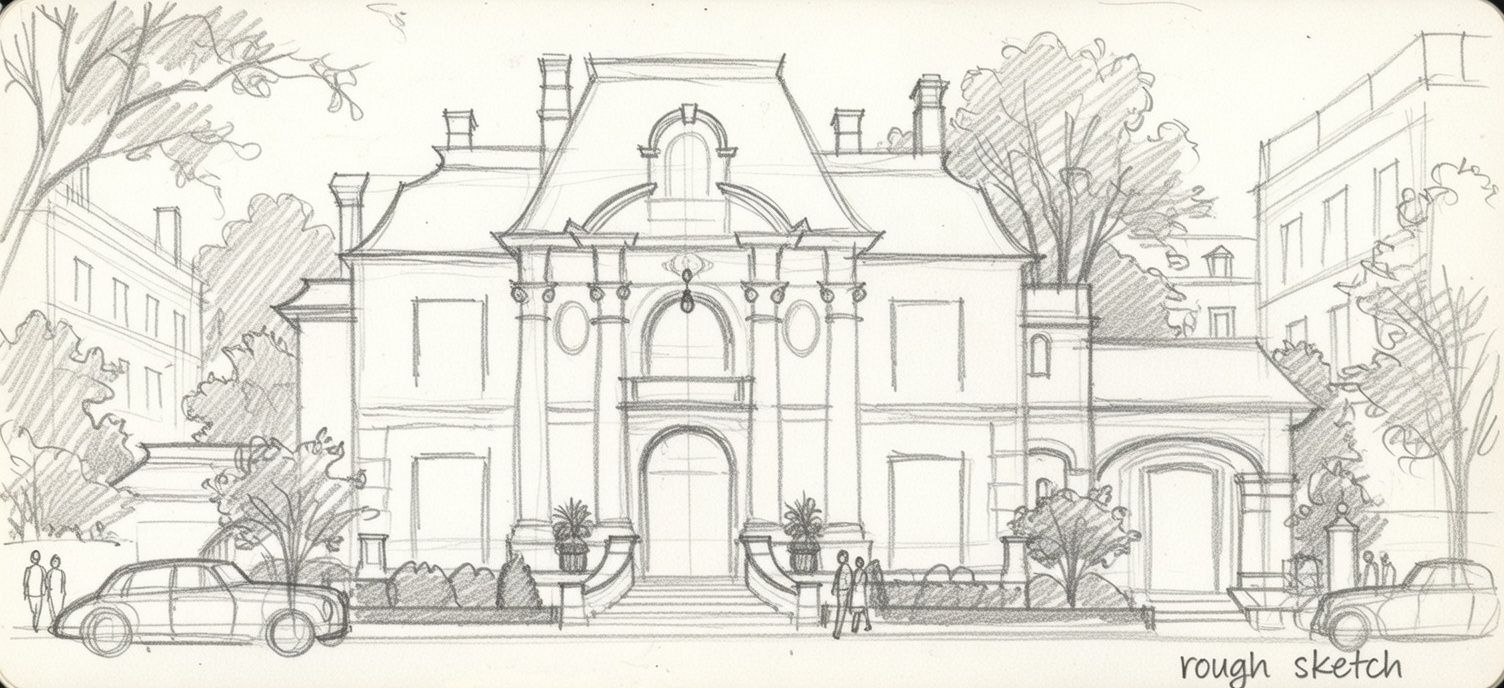
Generating Perspective Images from Elevational Sketches
AI-driven design tools aren't here to replace your instincts they're here to sharpen them. Your eye, your taste, your spatial reasoning, your years of experience: these remain the foundation. What AI brings is velocity. The ability to explore more directions, generate richer visuals, and communicate ideas faster without ever handing over the wheel.
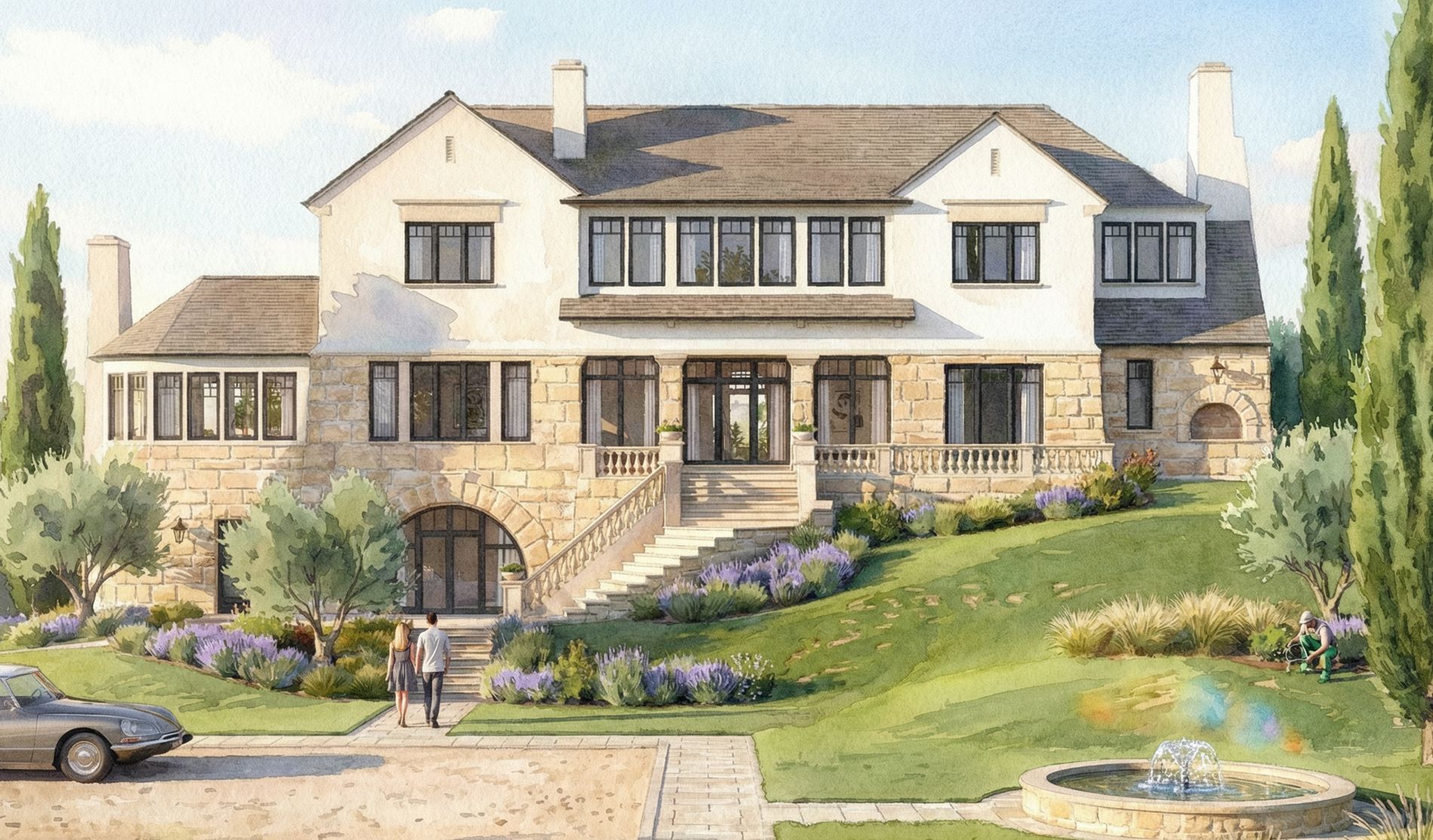
Generating Perspective Images from Elevations
AI-driven design tools aren't here to replace your instincts they're here to sharpen them. Your eye, your taste, your spatial reasoning, your years of experience: these remain the foundation. What AI brings is velocity. The ability to explore more directions, generate richer visuals, and communicate ideas faster without ever handing over the wheel.
Human Experience & Controlled Video Creation using AI & Capcut
Powerful Concept Video Creation using AI & Capcut

Zia H. - Design Architect - Los Angeles - USA
"I am just blown away. I love the creativity the fact that you can so quickly generate ideas and images, creating things that don't already exist, really inspires me. Just from LinkedIn 23 comments this morning alone 23, people are commenting saying you're like a design diva now!"
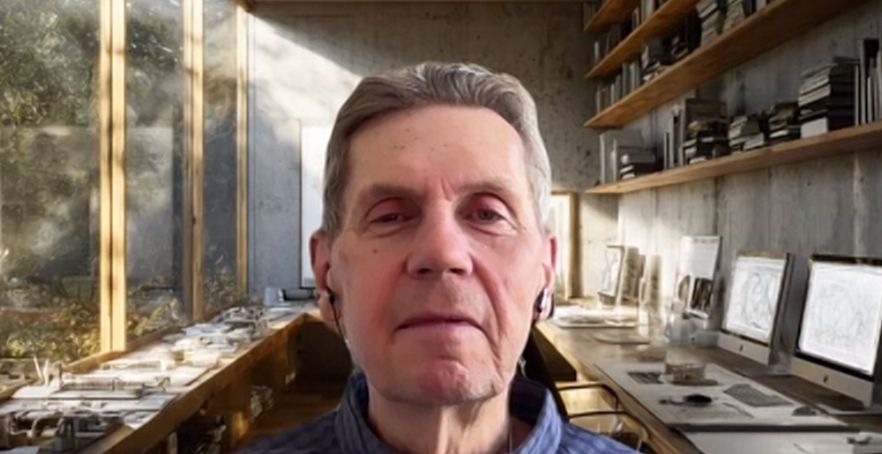
Robert K. - Design Architect - USA
"This Morning I showed my wife a AI render I did using your methods , she is a Professional Architect... she said wow the profession has really changed "

Scott Stottler. - Design Architect - California - USA
"I can meet with clients and present these styles, and that's where AI and Midjourney become crucial to landing jobs. Even if there are other architects doing this, you may only need one job all you have to do is get in front of one client and show them what you can do."

Leo Parker. - Design Architect - Boston - USA
"A couple of months ago to where I am now just using these technique , getting familiar with them and gaining my confidence, has been phenomenal. If other Architects see it they are just going to jump on board, can't say enough about the process and what we have learned together with Jason."

Jennifer Reid - Designer - USA

Jefferson Brown - Architect - Atlanta